Our RC ACRYPLAST is temporarily on promotion in September: buy 5 containers and receive 1 container free.
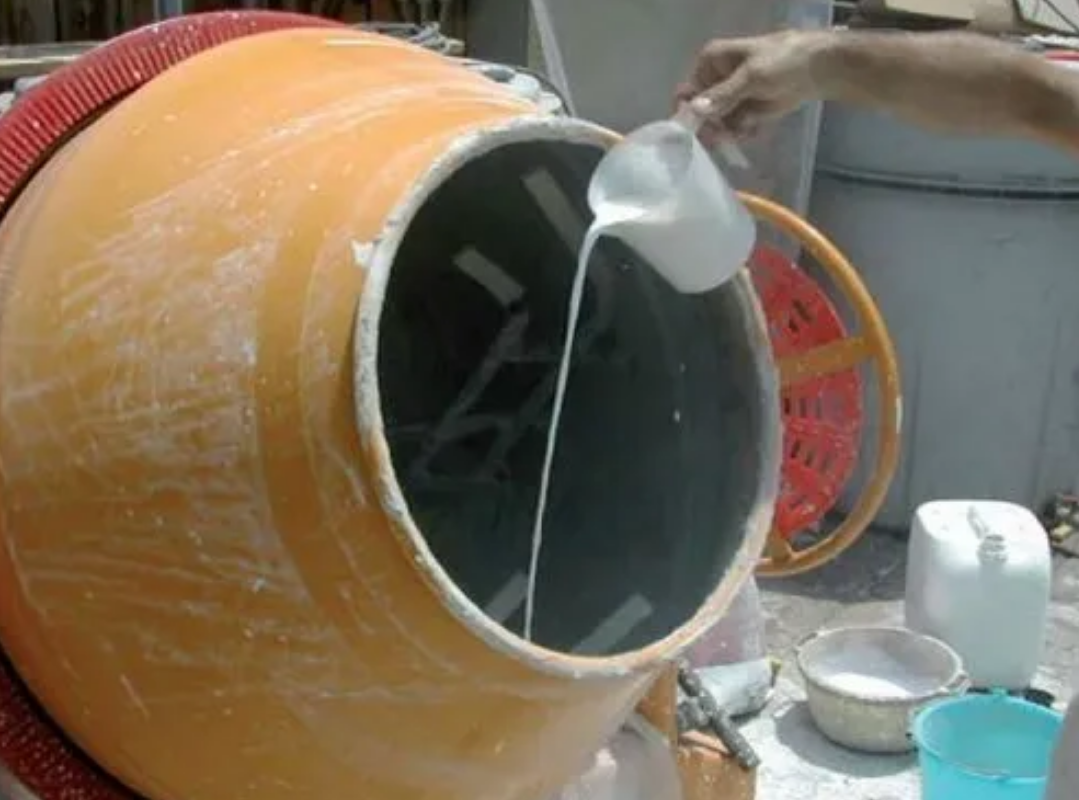
SBR, or styrene-butadiene, is a polymer dispersion added to cement-based and certain lime-based mortars to improve properties such as adhesion, workability, mechanical performance and resistance to water penetration.
In the search for more sustainable and building-physically sound floor assemblies, an old acquaintance is making a comeback: lime-bound concrete. It is sometimes referred to as "Roman concrete", in reference to a historic building technique that has endured for more than 2,000 years.
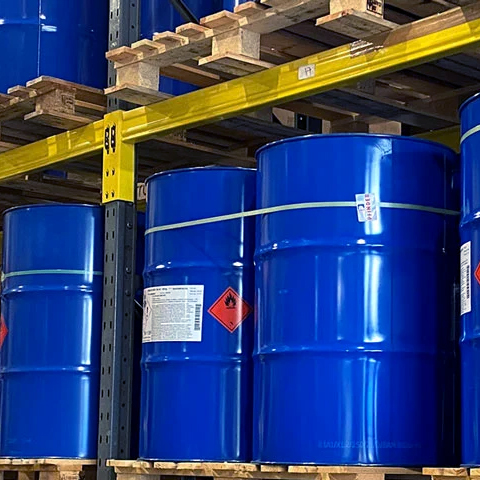
Due to continued volatility in the solvent market, we are temporarily required to apply a solvent surcharge to certain solvent-based products. The percentage is reviewed periodically in line with developments in the raw materials market.
Due to ongoing instability in the energy market caused by geopolitical tensions, transport costs are currently reviewed on a weekly basis.
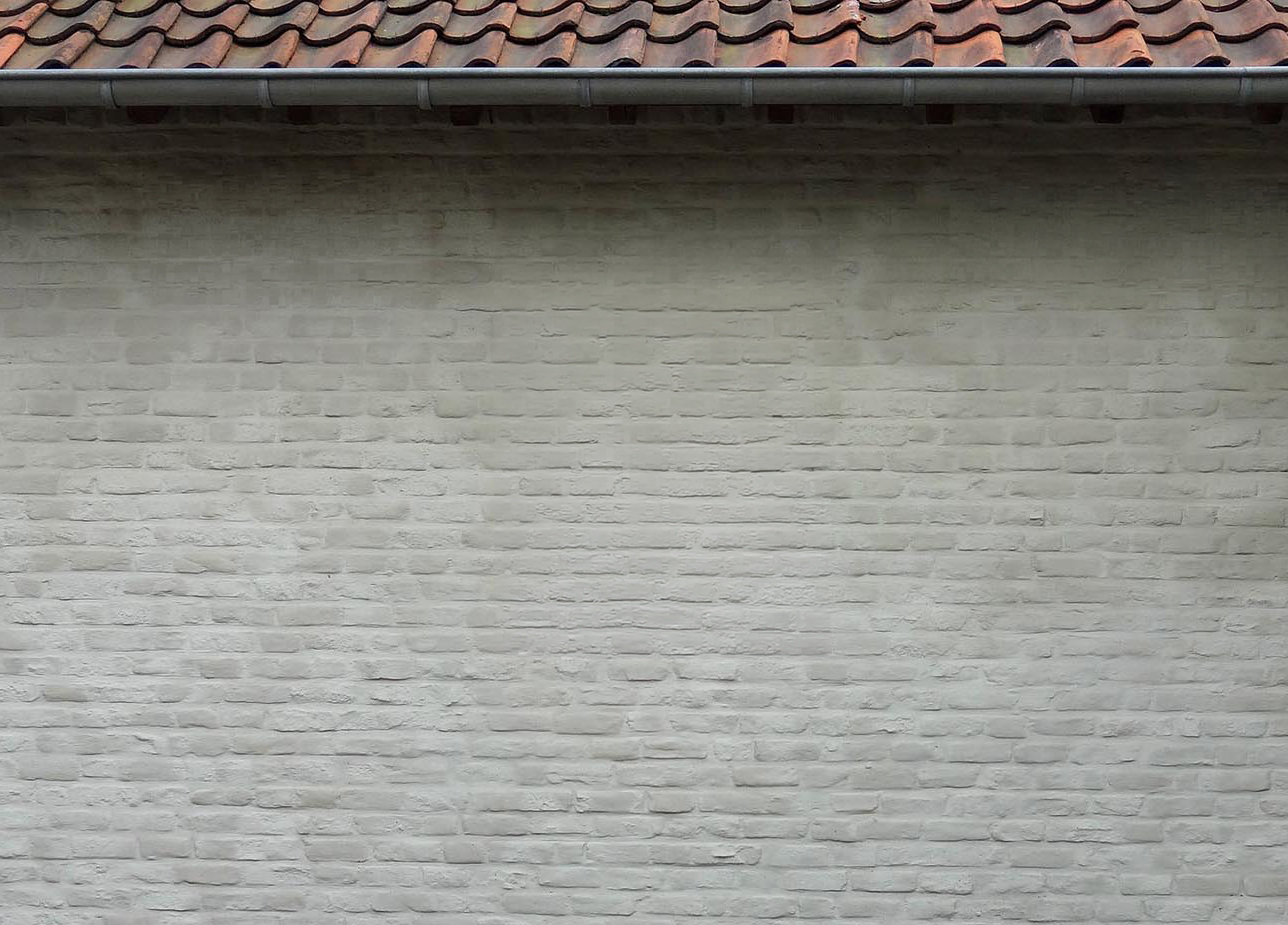
When a façade is finished with RC KALEI, subtle colour variations can often be observed during rainy weather: certain areas temporarily become darker than others. This phenomenon is commonly referred to as the clouding effect. With a breathable, cement-free limewash mortar such as RC KALEI, this is not a defect or damage, but a natural and technically explainable behaviour.
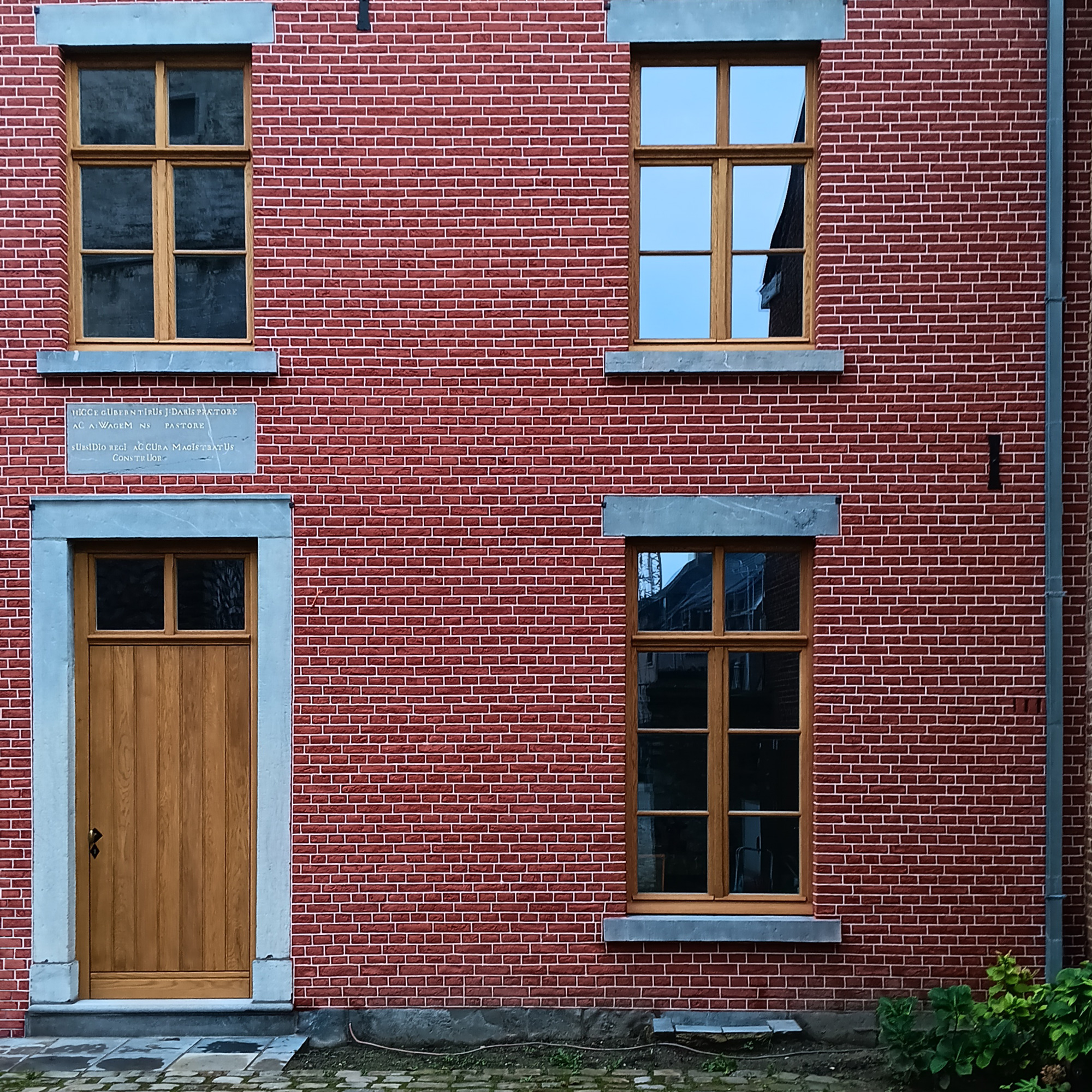
Blue limestone — also known as Belgian bluestone — is a durable calcareous natural stone widely used for terraces, floors, thresholds, façades, stairs and worktops. Despite its robust appearance, it remains sensitive to acids, unsuitable cleaning products and incorrect repair techniques.
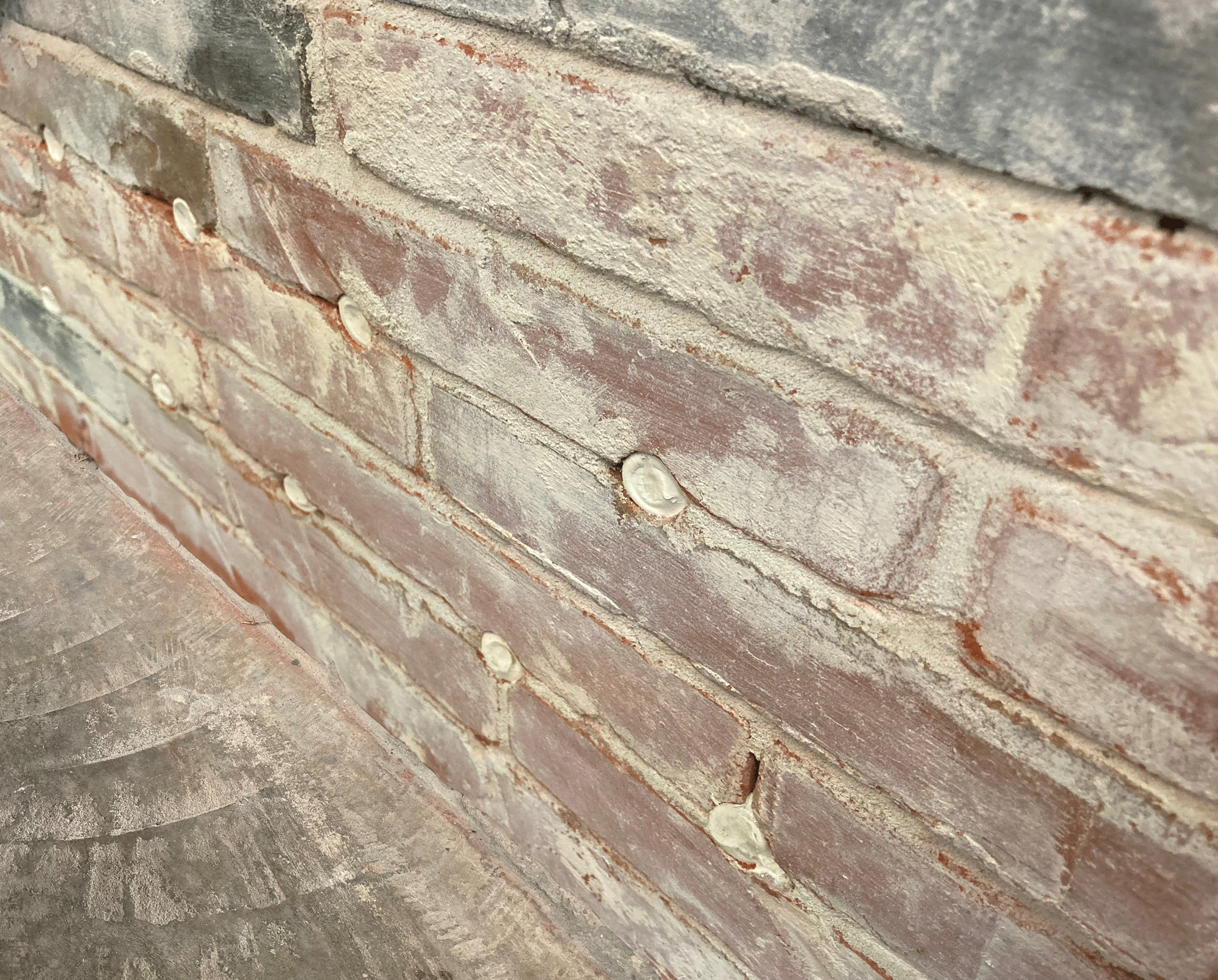
A water-based injection cream is a gel-form injection product formulated on an aqueous basis, as opposed to traditional solvent-based systems.
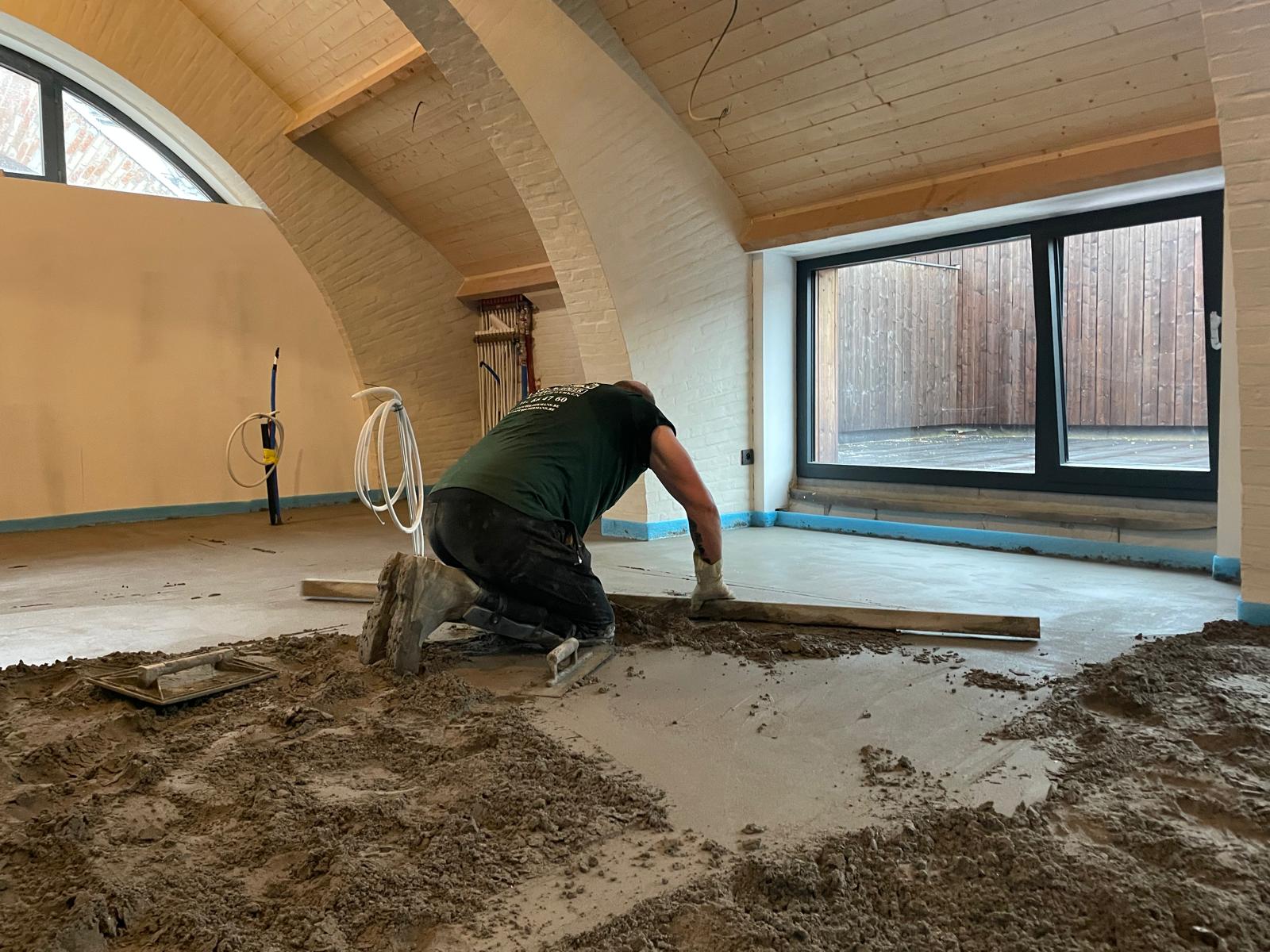
For decades, cement screed has been the standard in residential and commercial buildings. Yet interest is growing in an ancient material making a modern comeback: lime screed. With renewed focus on sustainability and healthy indoor environments, natural hydraulic lime (NHL) is once again attracting attention across the construction sector.
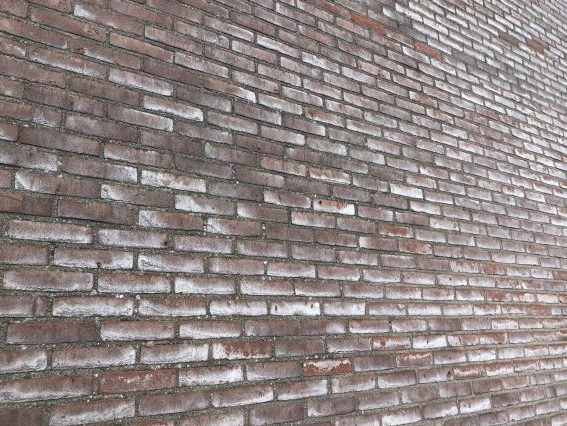
Whether on new constructions or renovation projects, a recurring façade issue is becoming increasingly common: a light-grey film on facing bricks. This alteration is not a temporary deposit such as cement haze or salt efflorescence, but the long-term consequence of a chemical process: brick greying, also known as gypsum formation on bricks. Brick greying does not only affect the aesthetic appearance of a building – it also significantly increases long-term façade maintenance needs.
In the world of sustainable construction, water-based hydrophobic treatments are increasingly becoming the standard. These modern technologies offer powerful, long-lasting protection for facades and roofs – without harmful solvents or emissions.
Terrazzo and cocciopesto are ancient floor finishes that are gaining ground again today in both restoration projects and contemporary architecture. Both techniques combine beauty with sustainability and each tells their own story of tradition and craftsmanship.
Lime render refreshes and enhances facade walls while also covering small irregularities. However, like any facade finish, it requires regular maintenance.
In a world where sustainability and environmental responsibility are becoming increasingly important, liquid cleaning products based on enzymes provide an ideal solution. Enzymatic cleaning of atmospheric pollution combines powerful cleaning action with environmental friendliness.
A basement and foundations form the basis of a stable building. Discover how basement waterproofing helps with moisture issues and optimizes the space.
When building concrete structures, proper protection and post-treatment is crucial to achieve a sustainable concrete floor.
The use of insulating lime plasters provides both thermal and acoustic insulation for both indoor and outdoor applications, with the aim of saving energy and improved home comfort.
Cracks in facades can be a disturbing sight for building owners and residents
To finish a façade, you can opt to finish it with a cement-free clay mortar. While clay is a technique that has been used for hundreds of years to finish and protect exterior and interior walls, chipping is a more recent, more decorative technique.
Lime is a versatile natural mineral raw material and the collective name for a number of minerals (salts) of calcium, such as quicklime, slaked lime, chalk, marl and gypsum. It comes from rock lime or shell lime that is roasted in lime kilns at approximately 900°C. Lime is mainly used as a binding agent in plasters and mortar, but also as a soil improver or hardener.
Both renovation and new construction can be confronted with both salt efflorescence and cement shrouds. Both problems affect both the aesthetics and the durability of the façade, but have different causes and therefore an adapted removal technique.
Correct jointing is not only important for the appearance, but it also ensures greater durability of the façade. Various problems, including moisture pollution, are a result of cracks and cracks in the jointing.
Natural stone has traditionally been used for erecting buildings to sculpting sculptures. This is mainly because of the sustainable and imperishable nature of natural stone. However, nothing lasts forever and natural stone also weatheres.
Due to the ravages of time and undesirably applied products such as graffiti, the façade of a home or business premises may need thorough cleaning.
Rising damp can cause severe damage to homes and buildings if not addressed in time. In this article, you will discover what rising damp is, its causes and consequences, and how to resolve the problem sustainably using professional systems from Reynchemie.
A hydrofuge is one of the most popular and effective means of waterproofing a façade and protecting it against all types of weather influences. In this article, you can read all about the expertise and products that Reynchemie offers when it comes to hydrofuges.
Carrying out lime render works with cementitious lime has many disadvantages. Reynchemie is one of the few suppliers that therefore produces lime render without cement. Discover everything you need to know about using cement-free lime render in this article.
Lime plasters, such as our RC Intralime range, are stronger than gypsum plasters and allow the surface to breathe, but gypsum plasters do not. Lime plasters are less affected by water and do not soften, dissolve or rot like gypsum plaster.
Unique in Belgium! 100% recyclable screed based on natural hydraulic lime from Saint-Astier NHL






.avif)

.avif)
.avif)
.avif)