In summary
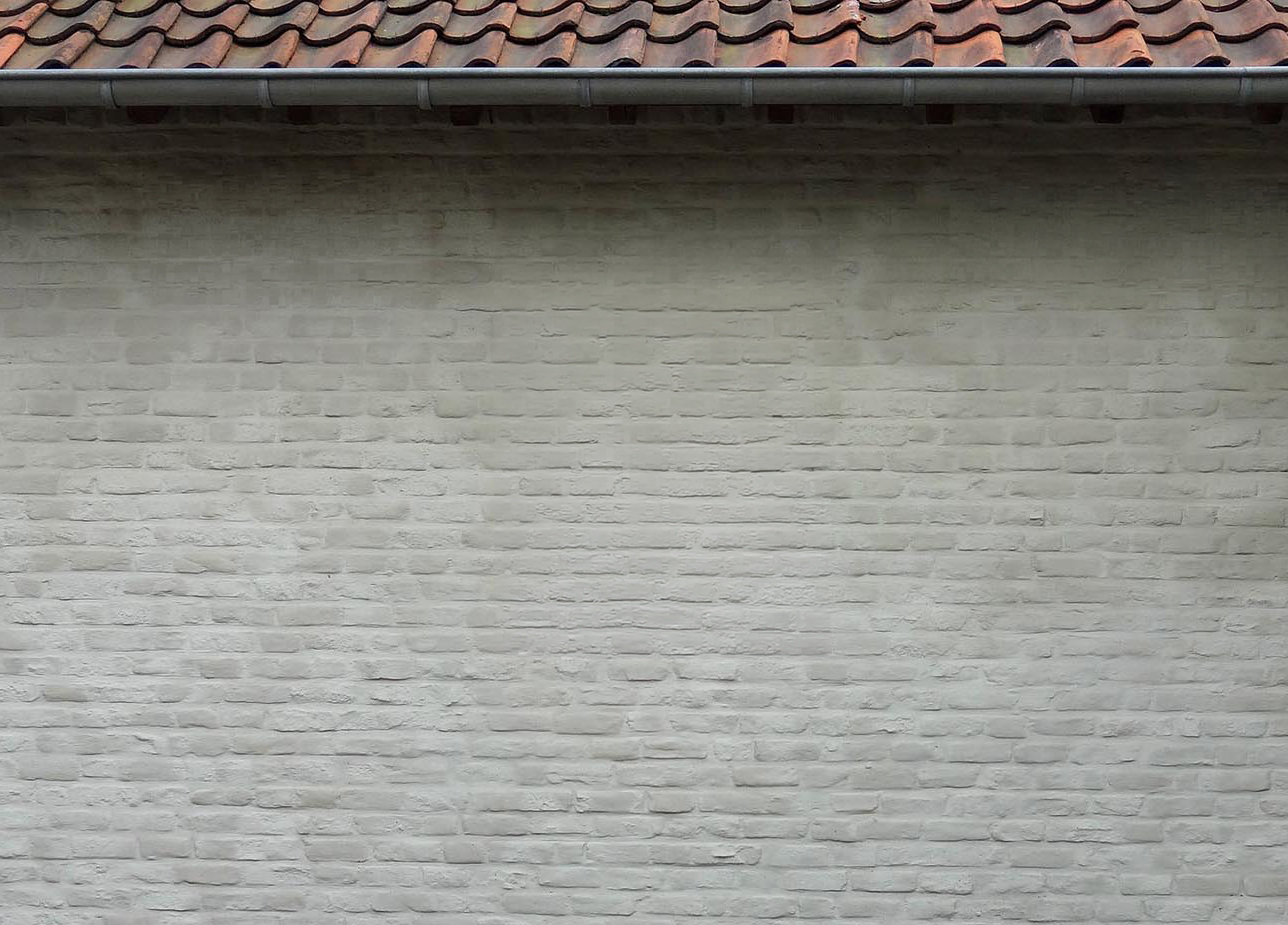
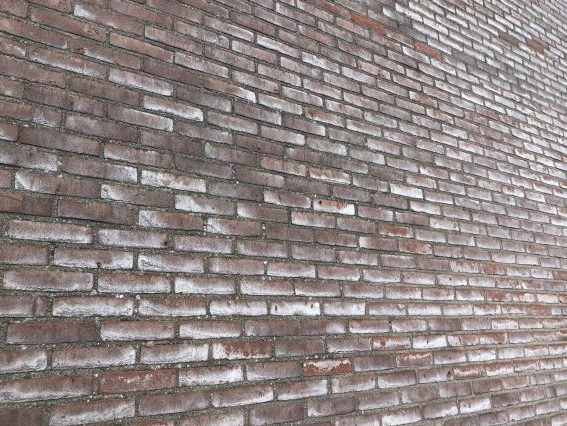
Whether on new constructions or renovation projects, a recurring façade issue is becoming increasingly common: a light-grey film on facing bricks. This alteration is not a temporary deposit such as cement haze or salt efflorescence, but the long-term consequence of a chemical process: brick greying, also known as gypsum formation on bricks. Brick greying does not only affect the aesthetic appearance of a building – it also significantly increases long-term façade maintenance needs.
What is brick graying?
Greying occurs as a result of a chemical reaction between calcium (from mortar or stone), sulphates (from the air or rain) and moisture. The result is the formation of calcium sulphate (gypsum), which crystallises as a hard, insoluble layer within the pores of the brick. The southwest side of buildings is often a place where this occurs frequently. Due to the combination of heavy rain and rapid drying due to the sun load, these are the ideal conditions for chemical reactions such as greying. This cycle of wet → dry → crystallization accelerates the formation of gypsum deposits. Dark facing bricks also heat up faster, making the process visually more noticeable.
Or something else?
In addition to greying, there is also salt efflorescence, cement residue and lime leaching. Salt efflorescence is a powdery white deposit, water-soluble and is typical in the first months. Cement veil is a smudged haze due to joint residue and is usually easy to clean. Lime leaching is white streaks under butt joints.
Greying, on the other hand, is not powdery and is stuck in the surface. It forms a light grey, matte veil that often only appears a few months to years after finishing. This type of façade coating cannot be cleaned with water or acids and is particularly difficult to remove.
Effective treatment of graying: microblasting and hydrophobing
The only sustainable solution is mechanical cleaning. This uses a fine microblasting technique or a very fine jet grain. During this process, the gypsum layer is removed, but inevitably also hits a thin layer of the top layer of the facing brick. This can cause a slight color difference, which, however, often enhances the fresh appearance of the façade.
After cleaning, it is essential to protect the façade with a hydrofuge, a vapour-proof water repellent. This prevents further absorption of moisture and sulphates and stops the chemical process that causes graying. Note: hydrophobization is only suitable after a technical evaluation of the façade condition.
Prevent greying? Hydrofuge from the start
For dark facing bricks, experts recommend carrying out a hydrofuge treatment shortly after completion. This way, you not only avoid greying, but also preserves the original color and appearance of the façade. Prevention is better than cure, especially with fragile or visually prominent façade finishes.
RC Hydrocreme 4 – High-quality cream-based water repellent (25% active content) formulated with alkylalkoxysilane. Provides long-lasting protection against moisture, frost and pollution, without reducing breathability. Ideal for brick, natural stone and concrete.
RC 805 Eco – Solvent-free water repellent based on 5 advanced polymers. Odourless, non-flammable and applicable on damp substrates. Delivers excellent protection against rain, frost damage and moss growth. Perfect for absorbent and highly alkaline building materials.
RC 224 – Colourless siloxane-based water repellent (10% active content). UV- and alkali-resistant with deep penetration capacity. Protects façades against rain, efflorescence and pollution while preserving the original appearance of the surface.
Technical advice about facade cleaning or hydrofuge?
Greying on brick is still often misinterpreted as a standard salt outflow or pollution. Incorrect treatment leads to unnecessary costs and possible damage. That's why you should rely on specialized façade advice for every façade pathology — from diagnosis to product selection. For on-site analysis or technical advice on facade cleaning, hydrofuges or product selection, you can contact one of our technical advisors.
.avif)